
Are you missing one or more teeth and looking for a solution that not only improves your appearance but also enhances your general health? Look no further than dental bridges! These versatile restorative appliances offer a range of benefits beyond just filling gaps in your smile. From improving chewing function to preventing cavities, dental bridges can have significant impacts on your overall well-being. In this blog post, we’ll explore four ways in which dental bridges might enhance your general health and help you achieve the beautiful smile of your dreams.
What is a Dental Bridge?
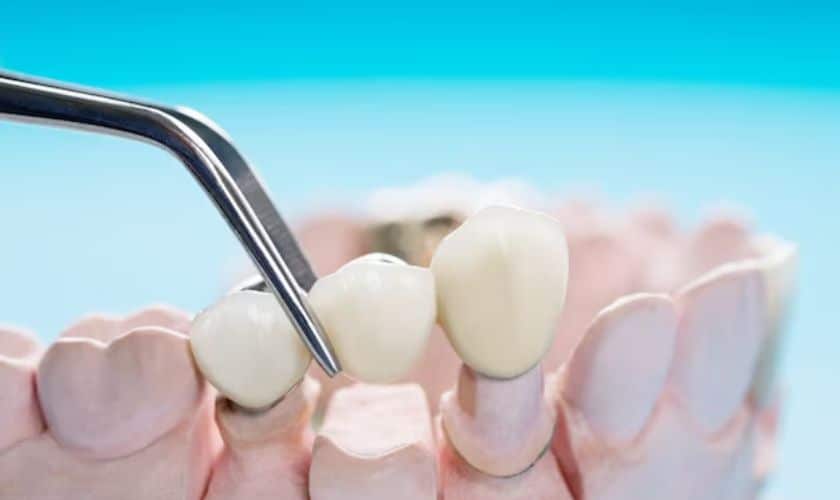
A dental bridge is a type of dental restoration that’s designed to replace one or more missing teeth. This restoration bridges the gap between two remaining healthy teeth by anchoring an artificial tooth onto them. Dental bridges can be made from different materials, such as porcelain, ceramic, or metal alloys.
There are several types of dental bridges available, depending on the patient’s needs and preferences. Traditional bridges involve creating crowns for the abutment teeth on either side of the gap and attaching a Pontic (an artificial tooth) in between them. Cantilever bridges are used when there’s only one adjacent tooth to support the restoration, while Maryland bonded bridges use resin-bonded wings attached to existing teeth instead of crowns.
The process of getting a dental bridge involves taking impressions of your mouth, preparing the supporting teeth, fabricating your custom-made bridge in a lab, and ultimately fitting it into place once it is complete. With proper care and maintenance, your new dental bridge can last up to 15 years before needing replacement.
If you’re missing one or more teeth, then getting a dental bridge could be an excellent option for restoring both function and aesthetics to your smile!
1. Dental bridges can improve chewing function
Dental bridges are prosthetic devices that fill the gap between teeth caused by one or more missing teeth. One of the most notable benefits of dental bridges is their ability to enhance chewing function. When teeth are missing, it can become challenging to chew food properly and efficiently, leading to digestive problems.
Dental bridges work by filling in the gaps created by missing teeth, providing a stable surface for biting and grinding food. This improved stability makes it easier for individuals with dental bridges to eat comfortably without fear of discomfort or embarrassment caused by loose dentures.
Additionally, this enhanced chewing function can improve overall health as well. Properly chewing our food ensures that we get all the necessary nutrients from it and avoid overeating due to incomplete satiety signals sent from the stomach.
Dental bridges provide a natural-looking solution that enhances both oral health and general well-being allowing people who have lost some of their natural teeth to regain their confidence while eating in public places again.
2. Dental bridges can help prevent cavities
Dental bridges not only replace missing teeth, but they can also prevent cavities from forming in adjacent teeth. When a tooth is lost, the surrounding teeth may shift, creating spaces where bacteria can accumulate and cause decay.
By filling in these gaps with a dental bridge, the remaining natural teeth are held firmly in place and cannot move around. This prevents food particles from getting trapped between them, reducing the risk of plaque buildup and eventual cavities.
Additionally, dental bridges are often made of materials that don’t decay as much as natural tooth enamel does. So while you still need to practice good oral hygiene habits like brushing twice daily and flossing regularly, having a bridge placed can help protect your remaining natural teeth from developing cavities over time.
Preventing cavities through dental bridgework is just one more reason why it’s important to address missing teeth sooner rather than later. By doing so, you’re not just improving your smile – you’re also promoting better overall oral health!
3. Dental bridges can improve the appearance
Dental bridges not only improve the functionality of your teeth, but they can also enhance your appearance. Missing teeth can cause embarrassment and self-consciousness which may affect how you interact with others. Dental bridges fill in gaps between teeth by attaching to existing healthy ones, creating a seamless smile.
Dental bridges are custom-made to match the color and shape of your natural teeth. This means that no one will be able to tell which tooth is real or artificial unless you tell them. With dental bridges, there will be no need to hide your smile anymore.
In addition, missing teeth can cause bone loss in the jawbone area due to a lack of stimulation from chewing and biting forces. The use of dental bridges improves this process by providing support for surrounding tissues, preventing changes in facial structure caused by missing teeth.
Dental bridges not only restore oral function but also enhance aesthetics, improving one’s confidence levels and quality of life.
4. Dental bridges can help preserve existing teeth
Dental bridges not only replace missing teeth, but they also help preserve the existing ones. When a tooth is lost, the surrounding teeth may shift and move into the empty space. This can cause misalignment and affect your bite.
By placing a dental bridge in the gap, it prevents adjacent teeth from shifting while maintaining proper spacing between them. It also prevents bone loss that can occur when a tooth is missing for an extended period of time.
Additionally, if you have one or more missing teeth, it puts extra pressure on your remaining natural teeth whenever you eat or chew food. This additional stress can lead to premature wear and tear on existing teeth, which can eventually result in their damage or loss.
Dental bridges relieve this strain by redistributing biting forces evenly across all your remaining healthy natural teeth as well as supporting appropriate jawbone density levels.
Dental bridges are an excellent investment for restoring both function and aesthetics while preventing further dental problems in the future.
Conclusion
To sum up, dental bridges are an excellent option for people who want to improve their dental health and general well-being. They not only enhance chewing function but also prevent cavities and decay while improving the overall appearance of one’s teeth. Furthermore, they can help preserve existing teeth by preventing them from shifting out of place.
If you’re considering getting a dental bridge, it’s essential to talk with your dentist about all possible options and any potential risks involved. However, when done correctly, this procedure is highly effective and can have significant benefits for your oral health.
Investing in a dental bridge might be just what you need to achieve better daily function and boost your self-confidence!
echo date( 'Y' );