
Are you missing one or more teeth and looking for a permanent solution that can improve your oral health? Look no further than dental implants! Dental implants are an innovative and effective way to replace missing teeth, offering numerous benefits beyond just improving your smile. In this blog post, we’ll take a closer look at what dental implants are, how they work, and the ways in which they can benefit your overall oral health. So let’s dive in!
What are dental implants?
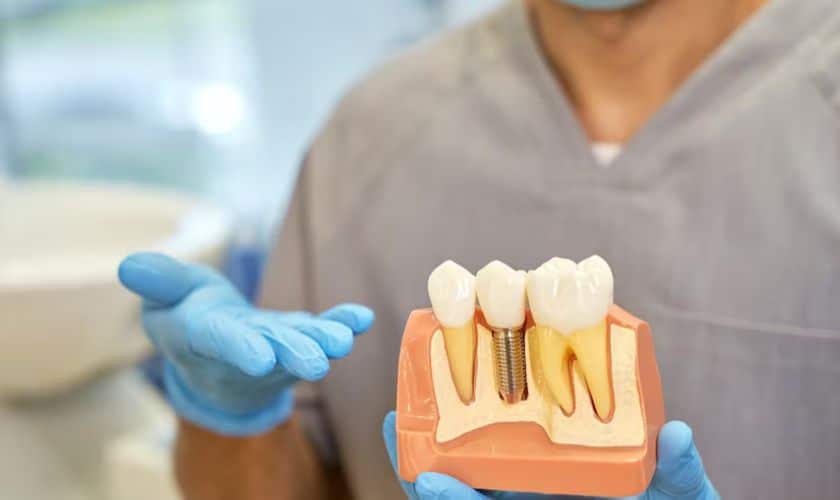
Dental implants are artificial tooth roots made of titanium that are surgically placed into the jawbone to replace missing teeth. They provide a permanent, natural-looking solution for patients who have lost one or more teeth due to injury, disease, or decay.
The process of getting dental implants involves several steps, including an initial consultation and examination with a dentist or oral surgeon. During this visit, the patient’s medical history and overall oral health will be evaluated to determine if they are a good candidate for the procedure.
Once approved for treatment, the implant is placed directly into the jawbone, where it will fuse with surrounding bone tissue over time through a process called osseointegration. This creates a stable foundation for replacement teeth such as crowns or bridges to be attached securely on top of the implant post.
Dental implants offer many benefits beyond just replacing missing teeth. They can prevent further bone loss in the jaw and improve facial structure by maintaining proper spacing between the remaining teeth. Additionally, because they function like natural teeth in terms of biting force and stability, patients can enjoy their favorite foods again without worrying about discomfort or embarrassment.
How do dental implants work?
Dental implants are designed to replace missing teeth by acting as artificial tooth roots. The implant is surgically placed into the jawbone, where it bonds with the surrounding bone tissue through a process called osseointegration. Once fully integrated, a dental crown or bridge can be attached to provide a functional and natural-looking replacement for the missing tooth.
The implant itself is typically made of titanium or another biocompatible material that won’t trigger an immune response from the body. This allows for the long-term stability and durability of the implant.
The placement of dental implants requires careful planning and assessment to ensure that there is enough healthy bone tissue in the jaw to support them. In some cases, additional procedures, such as bone grafting, may be necessary to build up this tissue before implants can be placed.
Dental implants offer a highly effective solution for replacing missing teeth that can improve both oral health and quality of life. With proper care and maintenance, they can last for many years without needing special attention beyond regular brushing, flossing, and checkups with your dentist.
What are the benefits of dental implants?
Dental implants are an increasingly popular option for people who have lost teeth due to injury, decay, or disease. They offer a range of benefits that make them a great choice for those looking to improve their oral health.
One of the main advantages of dental implants is that they look and feel like natural teeth. Unlike dentures, which can be uncomfortable and may slip around in your mouth, dental implants fuse with your jawbone to create a stable base for replacement teeth.
Another benefit of dental implants is that they help preserve jawbone density. When you lose teeth, the bone tissue in your jaw can start to deteriorate over time. Dental implants stimulate this tissue, preventing further bone loss and helping to maintain your facial structure.
In addition, dental implants can improve speech and eating abilities by providing a secure foundation for replacement teeth. This means you’ll be able to enjoy all kinds of foods without worrying about discomfort or embarrassment caused by missing or loose teeth.
Dental implants offer numerous advantages over other tooth replacement options, such as dentures or bridges. If you’re considering replacing missing teeth, it’s worth talking with your dentist about whether dental implants might be right for you.
How do dental implants improve overall oral health?
Dental implants are a game-changer when it comes to restoring missing teeth. Not only do they provide an aesthetically pleasing solution, but they also offer several oral health benefits.
One of the ways that dental implants improve overall oral health is by preventing bone loss. When you lose a tooth, your jawbone starts to deteriorate since it no longer has anything to support it. Implants act as artificial roots and stimulate the bone tissue, keeping it healthy and intact.
Another benefit of dental implants is that they help maintain proper bite alignment. When there’s a gap in your mouth due to a missing tooth, adjacent teeth can shift out of place over time which can result in improper alignment or even crooked teeth. By filling in the gap with an implant-supported crown or bridge, you’re helping keep everything where it should be.
Additionally, dental implants don’t require any special care beyond what you would normally do for your natural teeth, such as brushing twice daily and flossing regularly. They’re also easy to clean since they don’t have any additional attachments, like traditional bridges or dentures.
Investing in dental implants not only improves your smile’s appearance but also helps promote better oral health on many levels.
Summary
To summarize, dental implants are a great option for those who have lost teeth or need to replace damaged ones. They not only improve the appearance and functionality of your teeth but also greatly benefit your overall oral health. Dental implants can prevent bone loss, gum disease, and tooth decay while promoting healthy chewing habits and speech patterns.
When considering dental implants, it is important to consult with a qualified dentist who can evaluate your specific needs and determine if this treatment is right for you. With proper care and maintenance, dental implants can provide long-lasting results that will enhance your quality of life.
echo date( 'Y' );