
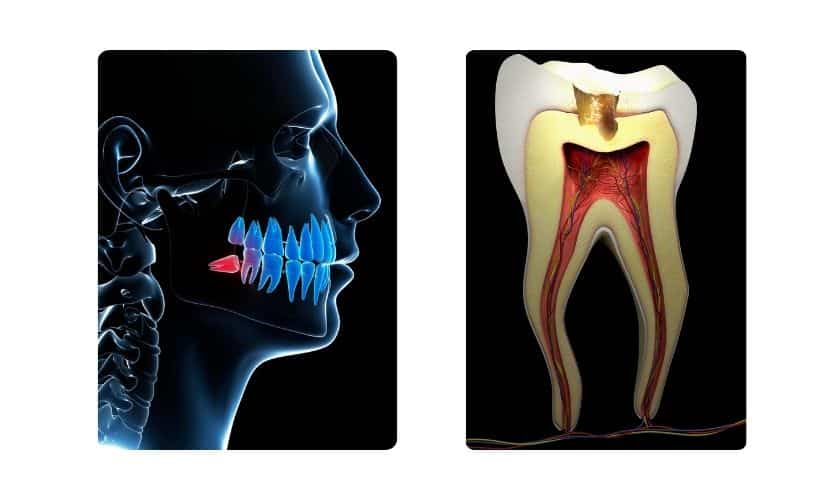
Each tooth is a marvel of biological engineering, with various components playing crucial roles in your overall oral health. In this article, we discuss the anatomy of your tooth, shedding light on the significance of one of its most prominent features: the crown.
The Anatomy of a Tooth
To understand the significance of the crown, let’s first explore the basic anatomy of a tooth. A typical tooth consists of several parts, each with its own function:
- Enamel: The outermost layer of the tooth, enamel is the hardest substance in the human body. Its primary role is to protect the underlying layers from damage caused by chewing, biting, and acids.
- Dentin: Beneath the enamel lies dentin, a yellowish, calcified tissue. Dentin is less dense than enamel but still provides significant support and protection to the tooth.
- Pulp: At the core of the tooth is the pulp, a soft tissue containing blood vessels, nerves, and connective tissue. The pulp plays a vital role in nourishing the tooth and sensing external stimuli such as temperature and pressure.
- Cementum: This specialized calcified tissue covers the tooth’s roots, anchoring it firmly to the jawbone via the periodontal ligament.

Structure of tooth
Understanding the Crown
Among these components, the dental crown stands out as the visible part of the tooth above the gumline. It is the part that you see when you smile, speak, or eat. The crown’s structure and shape are adapted to its specific function, which is primarily to facilitate chewing and aid in speech.
Role of the Crown: The crown serves several essential functions
Chewing
The crown’s shape and surface features, such as cusps and ridges, are designed to grind food into smaller particles, making it easier to swallow and digest.
Protection
As the exposed part of the tooth, the crown acts as a shield, guarding against external forces, bacteria, and other harmful agents.
Aesthetics
Beyond its functional role, the crown contributes to your smile’s appearance and overall facial aesthetics. A healthy, well-aligned crown enhances your confidence and self-esteem.
Caring for Your Crown
Given its vital role in oral function and aesthetics, it’s crucial to take good care of your crown. Here are some tips for maintaining optimal oral health:
- Brush and Floss Regularly: Proper oral hygiene, including brushing twice a day and flossing daily, helps prevent plaque buildup and decay, preserving the integrity of your crown.
- Attend Regular Dental Checkups: Schedule routine dental examinations and cleanings to detect any issues with your crown early on and address them promptly.
- Avoid Harmful Habits: Avoid habits such as chewing on hard objects, grinding your teeth, or using your teeth as tools, as these can damage your crown and compromise its longevity.
- Eat a Balanced Diet: Consuming a diet rich in vitamins, minerals, and nutrients supports overall oral health, strengthening your teeth and gums, including your crown.
Conclusion
Your tooth’s anatomy is a marvel of nature, with each component playing a crucial role in your oral health and function. Understanding the significance of the crown highlights its importance in chewing, protection, and aesthetics.
By caring for your crown and practicing good oral hygiene habits, you can maintain a healthy and beautiful smile for years to come.