
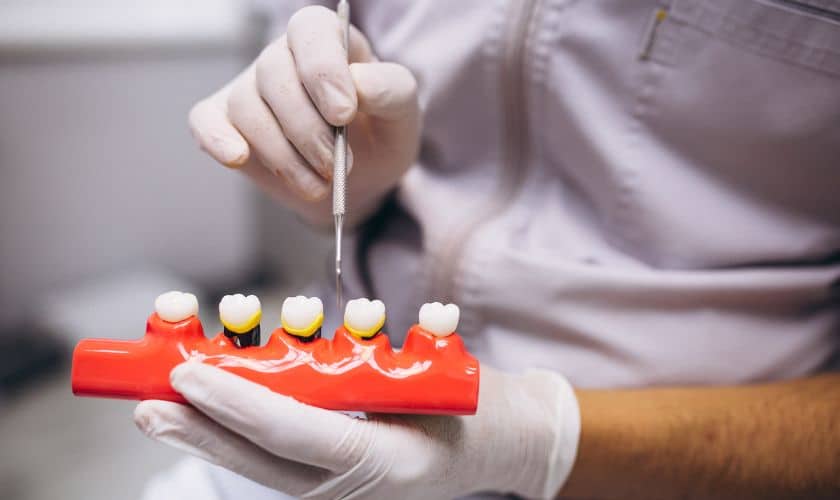
Your smile is often the first thing people notice about you, and it’s no secret that a healthy set of teeth can make all the difference. Unfortunately, sometimes our teeth need a little extra help to stay strong and healthy. One common solution is dental crowns – but when are they necessary? In this blog post, we’ll explore the signs that indicate you may need a dental crown and what steps to take if you suspect one is needed. So sit back, relax, and let’s dive into the world of dental health!
When Should I Get a Dental Crown?
When it comes to dental crowns, many people wonder when they should get one. In general, a dental crown is necessary if you have a damaged or weakened tooth that cannot be fixed with a filling or other restoration method.
One common reason for getting a dental crown is if you have had root canal therapy. After this procedure, your tooth may become weaker and more susceptible to damage. A crown can help protect the tooth and prevent further problems.
Another reason for getting a dental crown is if you have a large cavity that cannot be filled with traditional methods. If the cavity is too big for a filling, then a crown may be needed to restore the strength and function of the tooth.
If you have suffered from trauma or injury to your teeth, such as cracking or chipping due to an accident, then you may also need a dental crown. This can help preserve what remains of the natural tooth structure while also preventing further damage or infection.
Ultimately, only your dentist can determine whether or not you need a dental crown. It’s important to schedule regular check-ups with your dentist so any potential issues can be identified early on and treated appropriately.
What Are the Signs That I Need a Dental Crown?
When it comes to oral health, prevention is always better than cure. However, there are times when dental problems can arise despite our best efforts. In some cases, a dental crown may be necessary to restore the function and appearance of a damaged tooth. But how do you know if you need one?
One of the most common signs that you may need a dental crown is a cracked or broken tooth. This kind of damage not only affects your ability to chew properly but also leaves your tooth vulnerable to further decay and infection.
Another sign that you may require a dental crown is significant decay or cavities in one or more teeth. If left untreated, this type of damage can lead to serious problems like root canal infections and even tooth loss.
If you have undergone a root canal procedure recently, your dentist may recommend placing a crown over the treated tooth for added protection.
If you have an old filling that has become loose or worn down over time, it can leave your tooth exposed to bacteria and cause pain or sensitivity – in such cases too getting crowns becomes necessary.
While these are just some of the signs that indicate the need for a dental crown; only your dentist can determine whether this treatment option is right for you based on their professional assessment after examining all aspects with x-rays etc.
What Should I Do If I Suspect I Need a Dental Crown?
If you suspect that you may need a dental crown, the first step is to schedule an appointment with your dentist. During this visit, your dentist will examine your teeth and take X-rays to determine whether a crown is necessary.
If your dentist determines that a crown is needed, they will discuss the procedure with you and answer any questions you may have. They will also explain the different types of crowns available and help you choose which one is best for your needs.
Before getting a dental crown, it’s important to make sure that any underlying dental issues are addressed. This may involve treating cavities or gum disease before moving forward with the crown procedure.
Once all necessary treatments have been completed, the tooth receiving the crown will be prepared by removing any damaged or decayed areas. Your dentist will then take impressions of your teeth to create a custom-fitted crown.
In some cases, temporary crowns may be placed while waiting for the permanent one to be created in a lab. Once ready, the permanent crown can be cemented into place over the top of your natural tooth.
If you suspect that you need a dental crown it’s important not to delay treatment as ignoring potential issues can lead to further damage down the line. By visiting your dentist promptly and following their guidance throughout every stage of treatment, you can ensure optimal oral health for years to come.
When Can I Take a Screenshot of My Oral Health for Insurance Purposes?
Taking care of your oral health is important not just for your overall well-being but also for insurance purposes. You may wonder when the right time to take a screenshot of your oral health is, and it’s actually quite simple.
If you’re planning on getting dental work done, such as a crown, it’s best to take a screenshot before the procedure. This will provide evidence of any existing issues that could potentially be worsened during the procedure.
Additionally, if you have been experiencing pain or discomfort in your teeth or gums, taking a screenshot can help document any potential underlying issues that may require treatment.
It’s important to note that regular visits to your dentist should already include documentation of your oral health status. However, in case there are any discrepancies between what was documented and what occurred during a dental procedure or after an incident resulting in damage to the teeth or gums, having an additional screenshot can serve as valuable evidence for insurance purposes.
Taking screenshots of your oral health at various points throughout treatment can ensure proper documentation and aid in potential insurance claims.
Summary
To summarize, dental crowns are necessary when a tooth is damaged or weakened beyond repair. Some signs that you may need a dental crown include severe decay, cracks or chips in the tooth, and discoloration. If you suspect that you may require a dental crown, visit your dentist as soon as possible to prevent further damage to your teeth.
Remember to maintain good oral hygiene habits such as regular brushing and flossing to prevent the need for extensive dental work in the future. By staying on top of your oral health, you can ensure that your smile stays healthy and bright for years to come.
If you have any questions about whether a dental crown is right for you or if you would like more information on how to keep your teeth healthy, please consult with your dentist today.
echo date( 'Y' );